
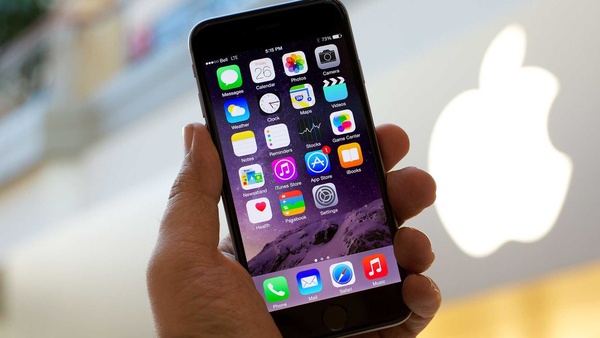
Apple announced on Monday that they have updated the upcoming iPhone and that the estimated battery life was now two hours longer than anticipated. Apple also said they had upgraded the plastic face to optical-quality glass.
Battery life is one of the most common complaints for smartphones and most heavy users are forced to carry around their chargers or a second battery just to make it through the day. With the new upgrade, users should have 8 hours of talk time and 6 hours worth of data.
Apple also claims the device can remain on standby for 11 days and play 7 hours of video, a figure that seems very high.
The new display makes the device more resistant to scratching and better for video viewing.
As always, CEO Steve Jobs released a statement hyping the product and its updates, "There has never been a phone like iPhone, and we can't wait to get this truly magical product into the hands of customers starting just 11 days from today".
Source:
BetaNews
Apple also claims the device can remain on standby for 11 days and play 7 hours of video, a figure that seems very high.
The new display makes the device more resistant to scratching and better for video viewing.
As always, CEO Steve Jobs released a statement hyping the product and its updates, "There has never been a phone like iPhone, and we can't wait to get this truly magical product into the hands of customers starting just 11 days from today".
Source:
BetaNews