

Meta VR Glasses revealed - very light, tons of 3D content coming up
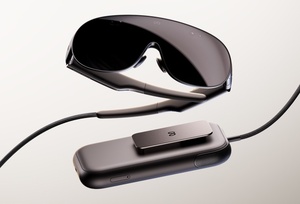 Although Meta has received a lot of flak regarding its smart glasses lately, the company also has another, parallel series of glasses: virtual reality glasses.
Virtual reality glasses are not used like smart glasses when moving outdoors and communicating with people; instead, they immerse their wearer completely into a separate virtual world, with the inner surface of the glasses acting as displays. The new Meta VR Glasses are unprecedentedly lightweight, as the glasses themselves weigh only 100 grams. For comparison, Apple's badly flopped Vision Pro glasses weighed 650 grams, and one of the biggest complaints from testers was their weight.
Meta has managed to lighten the glasses by ensuring that the glasses themselves only contain the displays, sensors, and control system, while computing power, battery, and storage have been moved to a separate, so-called puck unit that can be attached to a pocket or bag, which connects to the glasses via an optical cable.
 According to Korean news sources, a recently released Samsung software update for the company's smart refrigerators has gone badly wrong.
 Just recently Meta introduced a variety of Meta One subscription bundles, packaging various AI features and random paid features of Facebook, Instagram and WhatsApp together.