
The Federal Communication Commission (FCC) has denied a report from VICE that its website suffered from a denial of service attack last week.
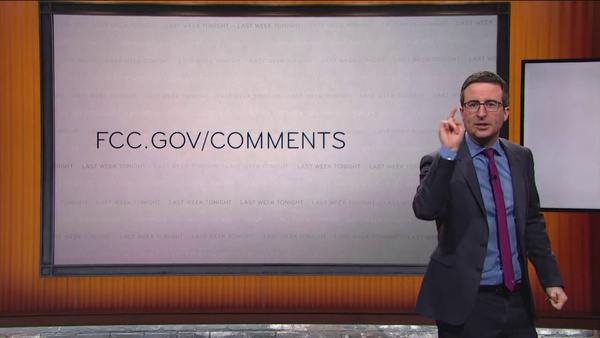
After comedian John Oliver had a rant about the FCC and net neutrality, he urged people to go to the FCC website and provide the regulator with feedback while opinion from the public was being sought. Not long after this, the commenting section on the FCC website became unusable.
VICE ran a report quoting an FCC source saying that it was actually hacked who brought down the commenting system with a denial of service attack.
Later though, an FCC spokesperson reached out to Engadget to deny the initial report. He said that the commission had no evidence of a malicious attack, and that a high volume of traffic caused the collapse. Engadget also noted that the FCC's commenting system is 17 years old.
VICE is sticking by its original report however, saying that a high-level FCC source had described it as a "database denial of service attack."
When you think about it though, given the age of the FCC's commenting system and combining that with thousands people trying to add comments, would that appear to be a denial of service attack if you were unaware of John Oliver's call to arms?
Sources and Recommended Reading
The FCC Was Hacked After John Oliver Called for Net Neutrality Trolls: VICE
Sorry, guys, you didn't actually crash the FCC website (update: FCC responds): www.engadget.com
VICE ran a report quoting an FCC source saying that it was actually hacked who brought down the commenting system with a denial of service attack.
Later though, an FCC spokesperson reached out to Engadget to deny the initial report. He said that the commission had no evidence of a malicious attack, and that a high volume of traffic caused the collapse. Engadget also noted that the FCC's commenting system is 17 years old.
VICE is sticking by its original report however, saying that a high-level FCC source had described it as a "database denial of service attack."
When you think about it though, given the age of the FCC's commenting system and combining that with thousands people trying to add comments, would that appear to be a denial of service attack if you were unaware of John Oliver's call to arms?
Sources and Recommended Reading
The FCC Was Hacked After John Oliver Called for Net Neutrality Trolls: VICE
Sorry, guys, you didn't actually crash the FCC website (update: FCC responds): www.engadget.com