
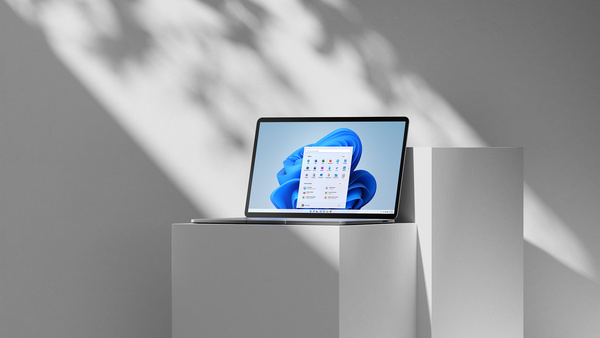
Microsoft has announced significant changes to its Windows 11 operating system, particularly by reducing the visibility of the AI assistant Copilot in various parts of the operating system and its applications. The decision is part of a broader strategy aimed at improving Windows' quality, performance, and user experience.
The changes are a direct response to user feedback, which indicated that Copilot's integration has at times been excessive and even disruptive.For the past few years, Microsoft has focused on pushing Copilot into virtually every possible corner of Windows, starting from default Windows applications like Notepad. User reactions to these AI features have been mixed: while some appreciate the possibilities brought by AI, many have found Copilot to be too prominently displayed and difficult to remove.
Criticism has also arisen from the fact that AI is not always genuinely useful in all applications, and its addition seemed primarily to bloat the operating system. Microsoft's corporate vice president for Windows and Devices, Pavan Davuluri, stated in the company's blog that Copilot will no longer be "shoved everywhere" in the future. Instead, AI functionalities will only be added to parts of Windows where they are genuinely believed to bring benefit. Initially, these changes will be visible in applications such as Windows' Photos app, Notepad, and the Snipping Tool, where its visibility will be significantly reduced.
However, Copilot will not disappear from Windows entirely. Microsoft emphasizes that AI features are still being developed, but in the future, their integration will be more deliberate and genuinely supportive of the user experience. The goal is for Copilot to act as a user assistant - not omnipresent, but as an optional and useful tool.
In addition to reducing AI usage, Microsoft is focusing on Windows 11's performance, memory usage optimization, and user interface flexibility in its updates. For example, the taskbar can be moved to the top or side of the screen in the future, and efforts are being made to speed up the launch and responsiveness of File Explorer and other core functions. Update management will also become easier: users will be given more choice in installing updates and scheduling device updates.
Microsoft has a particular interest in making Windows lighter, which is evident in efforts to reduce the operating system's baseline memory footprint. This is important not only for the user experience but also for hardware requirements and the development of the PC market - as the prices of RAM and SSDs rise explosively, operating systems and programs must also become lighter.
Criticism has also arisen from the fact that AI is not always genuinely useful in all applications, and its addition seemed primarily to bloat the operating system. Microsoft's corporate vice president for Windows and Devices, Pavan Davuluri, stated in the company's blog that Copilot will no longer be "shoved everywhere" in the future. Instead, AI functionalities will only be added to parts of Windows where they are genuinely believed to bring benefit. Initially, these changes will be visible in applications such as Windows' Photos app, Notepad, and the Snipping Tool, where its visibility will be significantly reduced.
However, Copilot will not disappear from Windows entirely. Microsoft emphasizes that AI features are still being developed, but in the future, their integration will be more deliberate and genuinely supportive of the user experience. The goal is for Copilot to act as a user assistant - not omnipresent, but as an optional and useful tool.
In addition to reducing AI usage, Microsoft is focusing on Windows 11's performance, memory usage optimization, and user interface flexibility in its updates. For example, the taskbar can be moved to the top or side of the screen in the future, and efforts are being made to speed up the launch and responsiveness of File Explorer and other core functions. Update management will also become easier: users will be given more choice in installing updates and scheduling device updates.
Microsoft has a particular interest in making Windows lighter, which is evident in efforts to reduce the operating system's baseline memory footprint. This is important not only for the user experience but also for hardware requirements and the development of the PC market - as the prices of RAM and SSDs rise explosively, operating systems and programs must also become lighter.