
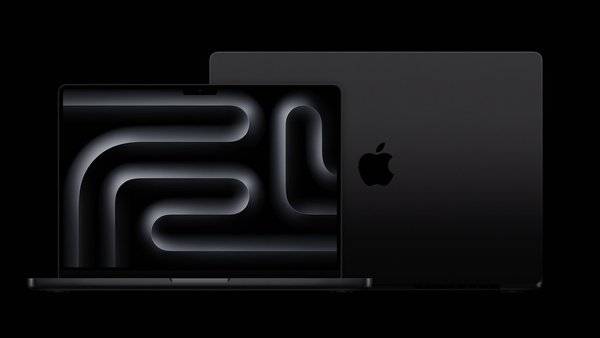
Apple is soon moving into the final phase of its project, which began when the company unveiled its own M-series processors and transitioned to the era of so-called Apple Silicon.
Just like the previous time, when Apple switched from PowerPC processors to Intel's x86 processors, the company ensured that old applications would work with the new processor family as well.
Current Macs using Apple's M-series processors utilize a compatibility layer called Rosetta 2, which in a way emulates the previously used Intel processor architecture. Thanks to Rosetta 2, old applications originally developed for Intel-based Macs still work on current Macs.
But macOS 28, to be released next autumn, is a significant milestone in this regard: Rosetta 2 will be removed from this operating system version, meaning that thousands upon thousands of old Mac applications will completely stop working.
Applications have already been released for Mac, such as Rosetta Check, which scan all installed applications and drivers on the computer, checking if any of them use Intel architecture. If an application uses Intel architecture and an Apple Silicon version has never been released for it, the program simply cannot be used anymore from macOS 28 onwards.
To support the Rosetta Check application, a user-maintained database has also been developed, which currently lists over 22,000 Mac applications or drivers that only work with Intel architecture.
Apple doesn't dare to completely discontinue Intel architecture compatibility, as macOS 28 will still include a "mini-version" of Rosetta 2 compatibility mode, intended to support the functionality of certain games in future macOS versions.
Current Macs using Apple's M-series processors utilize a compatibility layer called Rosetta 2, which in a way emulates the previously used Intel processor architecture. Thanks to Rosetta 2, old applications originally developed for Intel-based Macs still work on current Macs.
But macOS 28, to be released next autumn, is a significant milestone in this regard: Rosetta 2 will be removed from this operating system version, meaning that thousands upon thousands of old Mac applications will completely stop working.
Applications have already been released for Mac, such as Rosetta Check, which scan all installed applications and drivers on the computer, checking if any of them use Intel architecture. If an application uses Intel architecture and an Apple Silicon version has never been released for it, the program simply cannot be used anymore from macOS 28 onwards.
To support the Rosetta Check application, a user-maintained database has also been developed, which currently lists over 22,000 Mac applications or drivers that only work with Intel architecture.
Apple doesn't dare to completely discontinue Intel architecture compatibility, as macOS 28 will still include a "mini-version" of Rosetta 2 compatibility mode, intended to support the functionality of certain games in future macOS versions.