

VPN provider wins a court fight: police can't get or use its database
 Finnish VPN and antivirus provider F-Secure scored a big win in courts this week. It sued Finnish law enforcement authority over a database raid that was conducted in January, 2019.
In the raid, Germany's top law enforcement agency had asked assistance from its Finnish counterpart, National Bureau of Investigation, to get its hands to F-Secure's Freedome VPN user logs. Germany's authorities wanted to get the data to get evidence for a "serious crime case" in Germany.
As per requested, Finnish NBI confiscated F-Secure's Freedome user records and list of IP addresses used by its users - all of them, not just the ones related to the German authorities criminal case.
F-Secure sued and wanted courts to rule the confiscation of its data illegal. Lower courts have previously agreed with F-Secure's argument and ruled the case in favor of F-Secure. Now, Finnish court of appeals ruled in line with the lower court, in favor of F-Secure.
According to the ruling, authorities can't have blanket access to VPN data, as F-Secure acts simply as a "messenger" for the transmitted data. If authorities would need information about specific user, they'd have to obtain a warrant from court first in order to get a (very specific) set of data, only related to the case in question.
 Most of us probably know the annoying feeling when you have a melody of a song stuck in your head, but you can't remember the name of the song or the artist who played it.


 Well over 50 percent of consumers watch YouTube product videos before making a purchase decision. And now, YouTube's owner, Google, wants to tap into this opportunity.
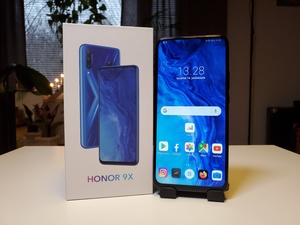 Huawei has been pushed to corner with U.S. export restrictions, blocking the Chinese telecom giant from using Android operating system in its phones. Furthermore, United States has made it very hard for company to develop new chips for its phones, as U.S. suppliers aren't allowed to provide any technology for the company for now.
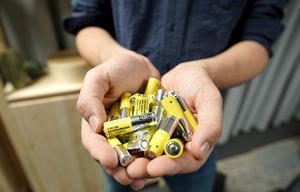 Furniture giant Ikea has decided to stop selling regular, non-chargeable batteries in its stores worldwide.