AfterDawn: Tech news

News written by Petteri Pyyny (February, 2021)

AfterDawn: News

Neato model comparison chart (2021) - D3, D4, D5, D6, D7, ..
Written by Petteri Pyyny @ 26 Feb 2021 5:23

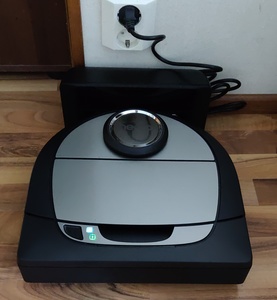
Neato model comparison chart (2021) - D3, D4, D5, D6, D7, .. Neato is one of the largest and oldest manufacturers of robotic vacuums. Company was founded back in 2005 and is based in California, United States. Company products are mostly manufactured in China, but designed in the U.S.

Back in 2017 Neato was sold to a German Vorwerk, but continues to operate as an independent company, despite being fully-owned by Vorwerk. Neato's current product line consists several different robot vacuum models and it is quite confusing to know what is the difference between each model.

In this article we try to clarify how different Neato models differ from each other. And also to shine light to some oddities in product names found globally with Neato's products. We have reviewed and tested most current Neato models, so this analysis is based on tech specs and our own review findings.

  1. Similarities
  2. Difference with Neato filters
  3. WiFi frequency
  4. Sidebrush
  5. Boundary markers
  6. Turbo / Eco mode
  7. Main brushes
  8. Battery life differences
  9. Number of floorplans supported
  10. Zone cleaning
  11. Price
  12. Neato D3 vs Neato D4
  13. Neato D4 vs Neato D5
  14. Neato D5 vs Neato D6
  15. Neato D6 vs Neato D7
  16. Neato Plus models (Neato D4+, etc)
  17. Comparison chart of Neato models
  18. More to read

Read more...


AfterDawn: News

Samsung brings four years of Android security updates to most of its Galaxy phones

Written by Petteri Pyyny @ 23 Feb 2021 7:22

Samsung brings four years of Android security updates to most of its Galaxy phones Samsung used to be the pariah of Android world for many years, as it was reluctant to deliver Android updates to even its relatively recent phone models. Since last year, company has improved dramatically - and now pushes the envelope even further.
This week, Samsung announced that most of its Android phones and tables will receive Android security updates for four years after their initial release. This, coupled to the fact that Samsung made a huge change to its Android major update policy last fall, will make the Korean manufacturer much more competitive in Android world.

Furthermore, Samsung promises to deliver four years worth of security updates to even select models from 2019. Company previously had promised only two years of security updates, even for its most expensive phones.

To summarize Samsung's new Android update and security patch policy:

  • Galaxy S series, Galaxy Fold series, Galaxy Tab S series, Galaxy A series and Galaxy Note series will get three major Android operating system updates during their lifetime. This means, for example, that Samsung Galaxy S20, which launched with Android 10, will get Android 11, Android 12 and Android 13 updates.
  • Most of the Samsung's mid-priced and high-end phones will get four years of Android security patches. These include Galaxy S series, Galaxy Fold series, Galaxy Tab S series, Galaxy A series, Galaxy M series, Galaxy Xcover series, Galaxy Tab A series and Galaxy Note series. Only the low-end phones will be excluded.
  • High-end phones will get security patches monthly, while mid-priced phones will get quarterly patches.


Samsung is obviously hoping that long support time and fast Android updates will benefit its marketing - and they probably will. As of now, Samsung is doing pretty well in our Android 11 update tracker.


AfterDawn: News

Xbox Series X/S will run older Xbox games more smoothly, thanks to FPS Boost

Written by Petteri Pyyny @ 18 Feb 2021 5:27

Xbox Series X/S will run older Xbox games more smoothly, thanks to FPS Boost Microsoft announced that it will release a new feature for its new console that will probably make gamers quite happy.
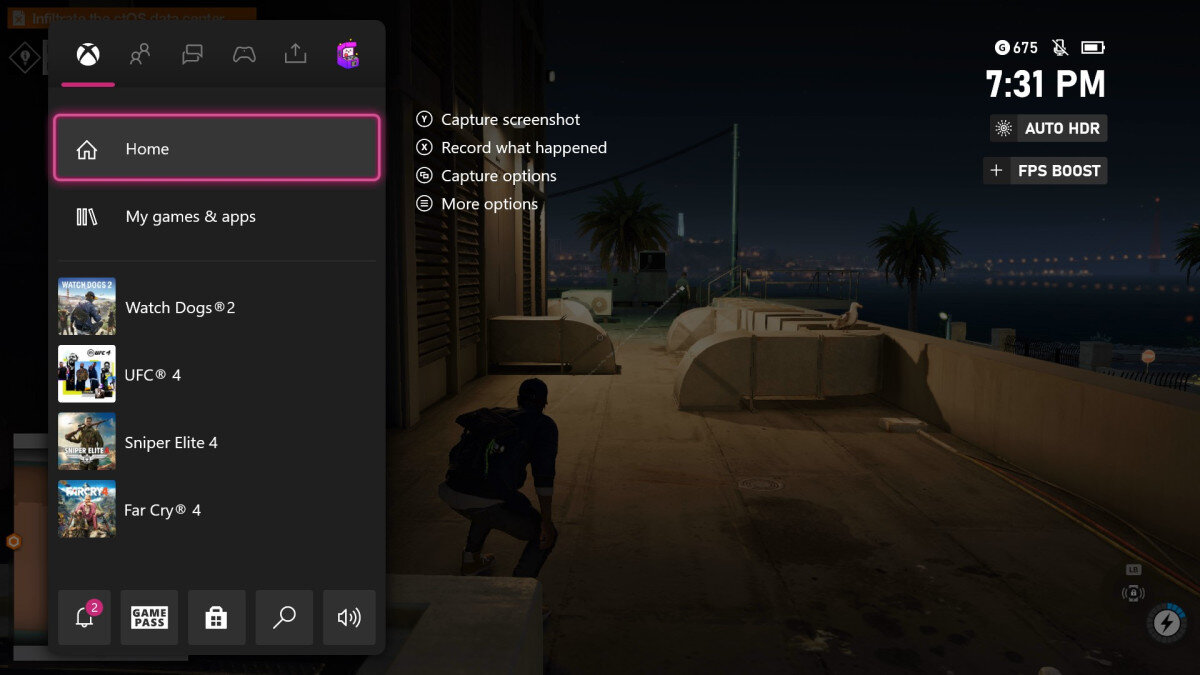
The new Xbox Series X|S console will run select Xbox One titles more smoothly that Xbox One was ever capable of. The new feature, dubbed as FPS Boost will do the magic here.

FPS Boost will improve game smoothness by increasing significantly the frames per second the console outputs to the TV. For most FPS Boost enabled titles the increase will be double, but for some titles, the framerate will increase by 4x, when compared to Xbox One.

Obviously, such feature is most sought-after for first-person shooters and other heavy, graphic quick action games. This is highlighted by the list of titles that will get the FPS Boost first: ar Cry 4, New Super Lucky's Tale, Sniper Elite 4, UFC 4, and Watch Dogs 2.

FPS Boost, visible in game info


Microsoft plans to bring FPS Boost to more games over the spring. Each game that will get the feature will have an option within game's settings to turn on the FPS Boost feature. If it is in use, the info will also be shown on game screen when game is paused.

Read more...


AfterDawn: News

First time in decades: Windows market share drops below 80 percent

Written by Petteri Pyyny @ 16 Feb 2021 6:51

First time in decades: Windows market share drops below 80 percent Many of the younger generation can't even figure when was the last time that Microsoft Windows wasn't the de facto home computer operating system. Since the launch of Windows 95 26 years ago, Windows has dominated the desktop OS game without any real challengers.

Many remember the early 2000s when there was hope that one day Linux might truly challenge Windows on desktops. Didn't happen. Only Apple's macOS has managed to carve some kind of market share - and even that is mostly in United States and handful of other countries.

However, things have changed - quite dramatically - over the last few years: Chromebooks have finally managed to create a viable alternative to Windows dominance. Sure, that is mostly in budget-friendly laptops, but it is still a feat that no one else has managed to do in decades.

Recent statistics from TrendForce claim that in year 2020, Windows market share in notebook computers dropped below 80 percent, first time since mid 1990s. TrendForce also expects the slide to continue in 2021, with Windows marketshare slipping to 70 - 75 percent.

Read more...


News archive