

Leaked video suggests a unified Windows for desktops, tablets and phones
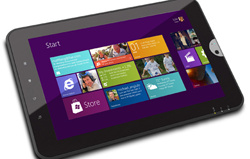 Although the Windows Phone platform unquestionably represented a quantum leap forward in Microsoft mobile technology, underneath its slick interface and app support beats the heart of an outdated OS.
While iOS was developed from OS X and Android from Linux, Windows Phone 7 was built from an already dated platform called Windows CE. Starting with an existing mobile OS allowed Microsoft to develop Windows Phone into a finished product very quickly, but a lot of work would have been required to make it suitable for a modern tablet.
Last year Microsoft began detailing their plans for the touchscreen tablet market. While their vision does include Windows Phone's Metro interface, it is built on their next generation desktop OS. Windows 8 is essentially the culmination of work began at least a decade ago to redesign Windows for servers. The goal was to divide the OS into many separate parts which could be selectively installed.
The same changes which make it possible to minimize Windows' footprint on a server also proved useful in optimizing Windows for tablets. Combined with the touchscreen friendly Metro UI and new strategies to keep hardware in an idle state whenever possible, they make it possible for Microsoft to finally create a modern mobile OS.
 IDC has released their annual report on the mobile phone market. As expected, Nokia and Samsung came out the overall leaders, with Apple finishing the year in third place.
 With all the furor over SOPA and PIPA in recent months, the signing of the ACTA trade agreement