

Samsung unveiled this year's flagships: Here's Galaxy S9 and S9+
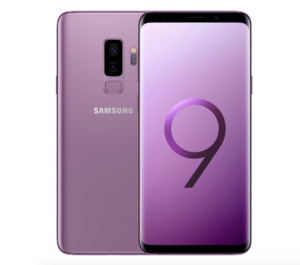 Samsung has today revealed the next generation of Galaxy S smartphones. As expected the Galaxy S9 and its bigger sibling, the Galaxy S9+, retain much of the design from their predecessors, but there are a few key differences and why you might want to buy one of them.
The new flagships have the same glass sandwich design with aluminum body. The buttons (even Bixby), connectors, and speakers seem to be exactly where they were, but there's one minor but oh-so-important change in the design. Samsung has moved the fingerprint reader from next to the camera to below the camera, which might have been the single most requested change to the predecessor.
Design aside there's plenty to talk about about the new phones. Upgraded CPU, now Snapdragon 845, is more powerful and energy efficient, the phone has stereo speakers thanks to earpiece acting as another speaker, and you can extend the fairly limited 64GB now up to 400GB with a microSD card.
Those aren't huge changes, though, and differences are miniscule in display tech as well. Galaxy S9 has the same 5.8" and S9+ the 6.2" QHD+ AMOLED display as previous models. IP68 dust and water resistance is intact as well.
When it comes to camera, however, you have major improvements, or distinctions at least. The Galaxy S9+ has a dual camera setup with zoom capabilities thanks to a wide and telephoto lens. But the magic is found even in the single camera on the smaller Galaxy S9.
 Nokia has been back with a vengeance for the past year or two releasing Android phones for many different price points. They even brought back a classic from year 2000, the 3110, in last year's Mobile World Congress.
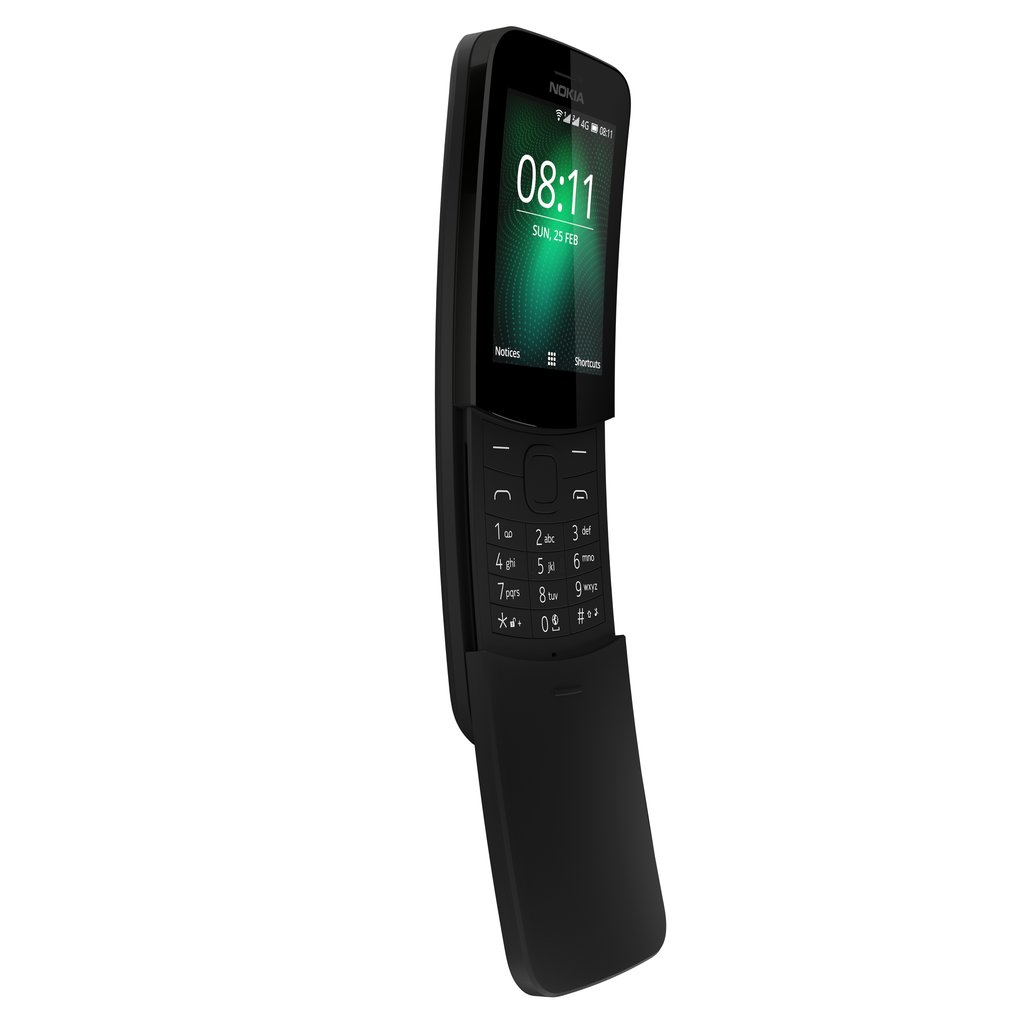

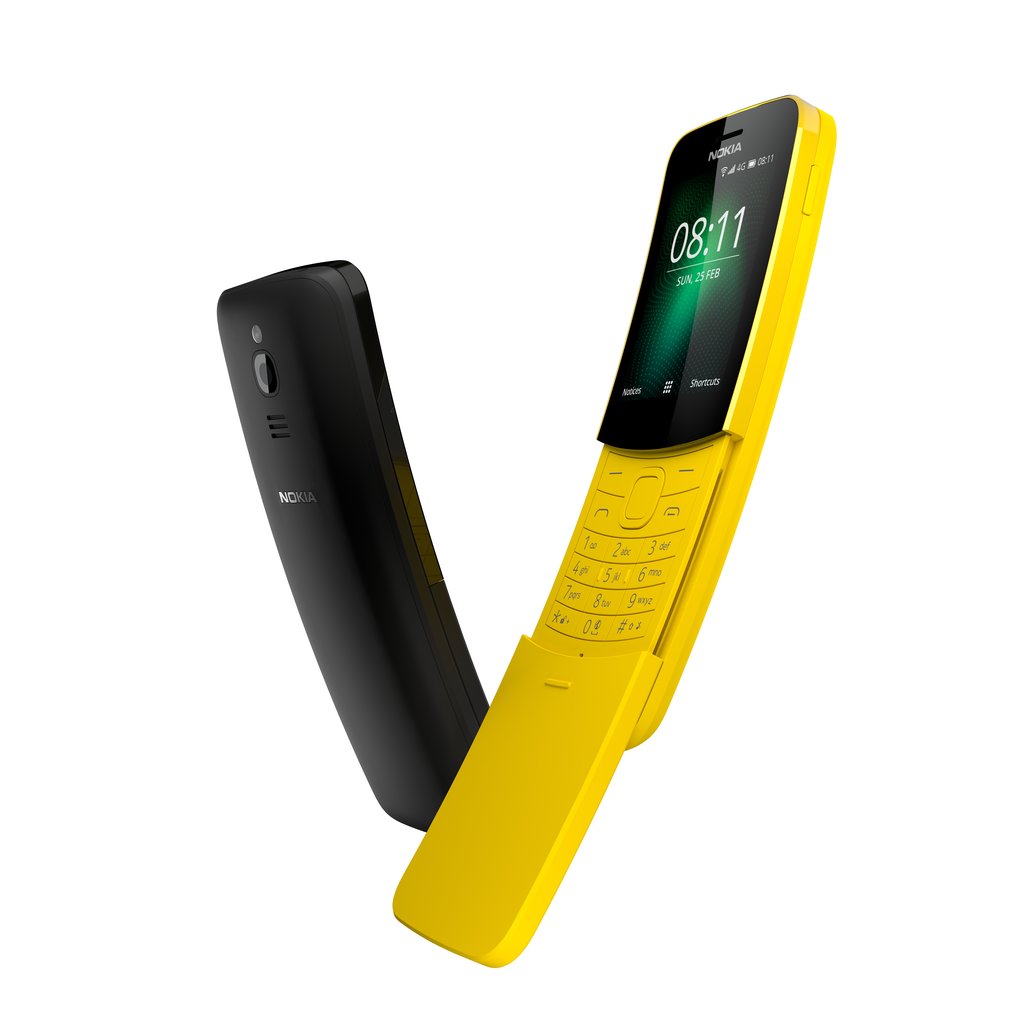

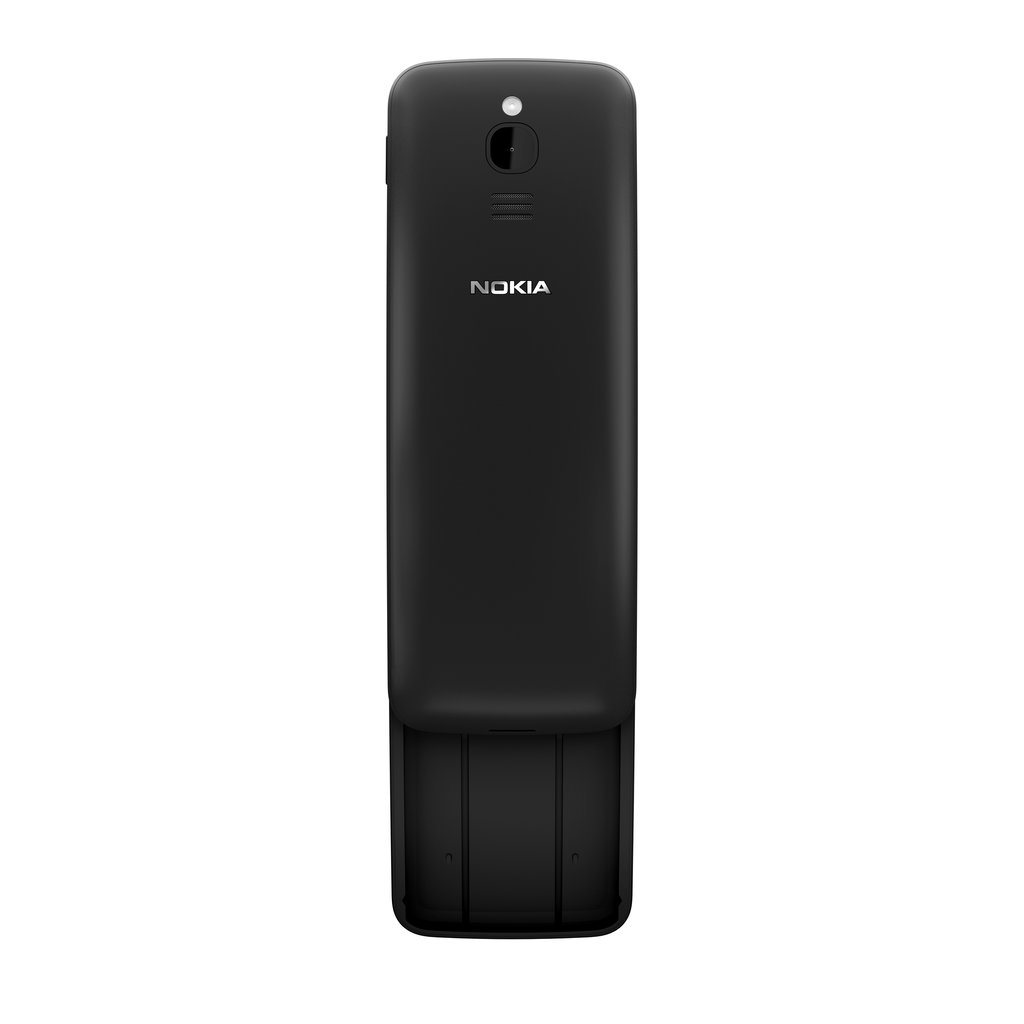
 Microsoft made it fairly clear last summer that it's not really interested in Windows phones any more by