

U.S. won't ban electronics from European flights for now
 Air passengers flying to the United States from European countries will not be subjected to an electronics ban, at least for the time being.
That was made clear today by U.S. Department of Homeland Security Press Secretary Dave Lapan in a statement. It followed consultation between Secretary of Homeland Security, John F. Kelly, and European counterparts, which included EU Commissioner for Migration, Home Affairs and Citizenship, Dimitris Avramopoulos, and the EU Commissioner for Transport, Violeta Bulc.
It was expected that an electronics ban that would keep laptops and other equipment out of the cabin on U.S. bound flights could be announced, but it didn't come to pass. However, the possibility has not been ruled out in the future depending on the circumstances.
"Secretary Kelly affirmed he will implement any and all measures necessary to secure commercial aircraft flying to the United States – including prohibiting large electronic devices from the passenger cabin – if the intelligence and threat level warrant it," the DHS statement reads.
Aside from that clarification, the three agreed on a need to raise the bar for aviation security globally, including through a range of potential seen and unseen enhancements. Additionally, the parties agreed to continue to work together to secure global aviation and to maintain clear lines of communication and cooperation.
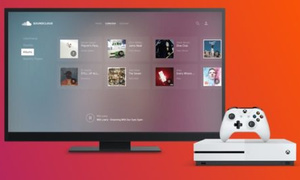 Xbox One had gotten its own SoundCloud App, letting subscribers access their full music collection, playlists and so forth on the Microsoft platform.
 The parents of a deceased teenager have been denied the right to access their late daughter's Facebook account by an appeals court.
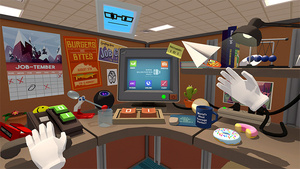 Google has added VR studio Owlchemy Labs to its portfolio, promising to continue developing engaging, immersive games on multiple platforms.
 EA has announced that the popular Sims franchise is coming to the iOS and Android mobile platforms soon.
 Tesla has begun accepting pre-orders for its Solar Roof products ahead of installations that will begin in the United States in the summer.
 Following announcements from its major competitors, wireless carrier Sprint has announced it will launch its own 5G services in 2019.
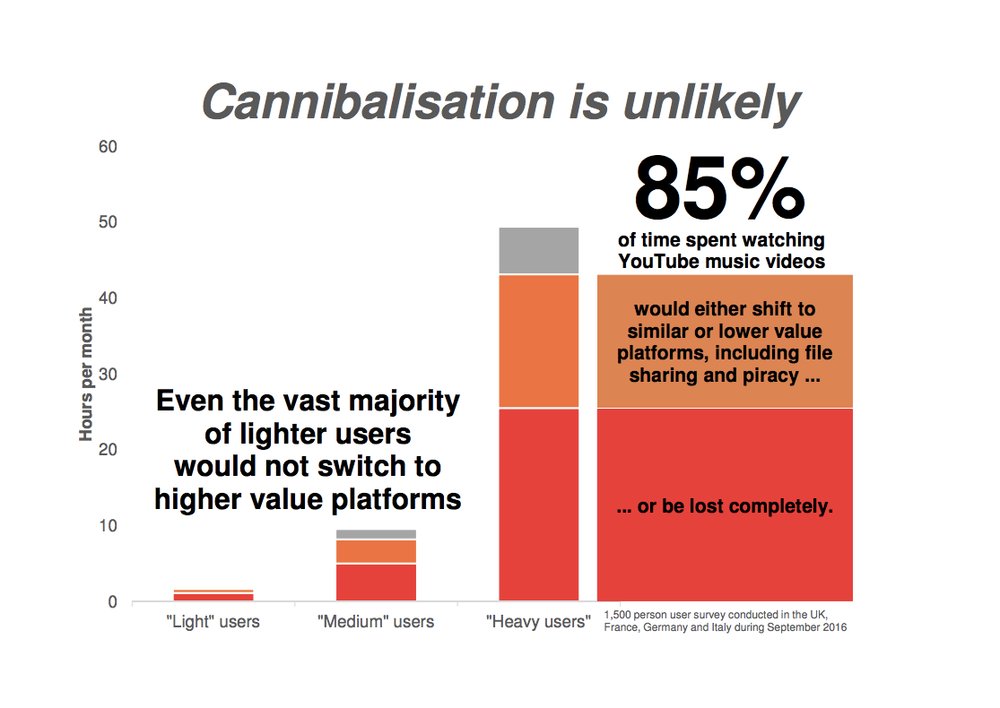
 Research based on exclusive YouTube data and a survey of thousands of users in multiple countries shows that YouTube reduces music piracy.
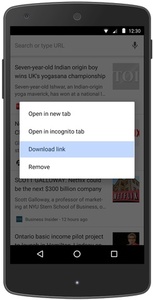 Google has made some improvements to the offline viewing of webpages in the Android version of its Chrome web browser.
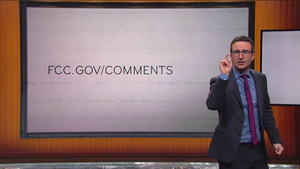 Host of HBO show had called on the public to flood the FCC with comments opposed to repealing net neutrality regulations.
 Microsoft has hit a milestone with the announcement that its Windows 10 consumer OS is now running on 500 million active devices.
 Microsoft has quickly patched an unmasked security vulnerability in its software that potentially allowed attackers to hijack a PC.
 Microsoft's HoloLens mixed reality system has been integrated into a new spine surgery solution from Scopis.
 Uber's controversial use of 'Greyball' to evade regulators and law enforcement is now the subject of a criminal investigation, according to a report.
 SpaceX video shows the landing of the rocket booster right from stage separation to the landing zone, both from the ground and from the rocket itself.
 Mr Musk's 'Boring Company' has shown a concept video for a subterranean network of tunnels that zips cars from place to place.
 An analyst is predicting that Sony will speed up its console refresh cycle and release the PlayStation 5 in the second half of 2018.
 The Turkish authorities have blocked access to Wikipedia, citing a 'smear campaign' against the country.
 In an unfortunate display of how piracy-related censorship activity can identify innocent targets, a recent takedown request listed www.facebook.com as an infringing URL.
 The European Court of Justice (ECJ) finds that the sale of media set top boxes pre-loaded with piracy-enabling add-ons can be considered illegal.