

Samsung unveiled this year's flagships: Here's Galaxy S9 and S9+
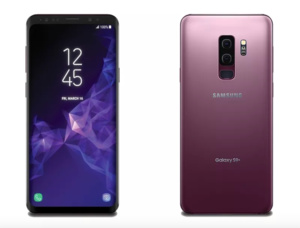
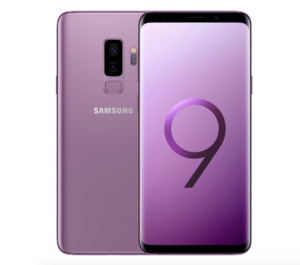 Samsung has today revealed the next generation of Galaxy S smartphones. As expected the Galaxy S9 and its bigger sibling, the Galaxy S9+, retain much of the design from their predecessors, but there are a few key differences and why you might want to buy one of them.
The new flagships have the same glass sandwich design with aluminum body. The buttons (even Bixby), connectors, and speakers seem to be exactly where they were, but there's one minor but oh-so-important change in the design. Samsung has moved the fingerprint reader from next to the camera to below the camera, which might have been the single most requested change to the predecessor.
Design aside there's plenty to talk about about the new phones. Upgraded CPU, now Snapdragon 845, is more powerful and energy efficient, the phone has stereo speakers thanks to earpiece acting as another speaker, and you can extend the fairly limited 64GB now up to 400GB with a microSD card.
Those aren't huge changes, though, and differences are miniscule in display tech as well. Galaxy S9 has the same 5.8" and S9+ the 6.2" QHD+ AMOLED display as previous models. IP68 dust and water resistance is intact as well.
When it comes to camera, however, you have major improvements, or distinctions at least. The Galaxy S9+ has a dual camera setup with zoom capabilities thanks to a wide and telephoto lens. But the magic is found even in the single camera on the smaller Galaxy S9.
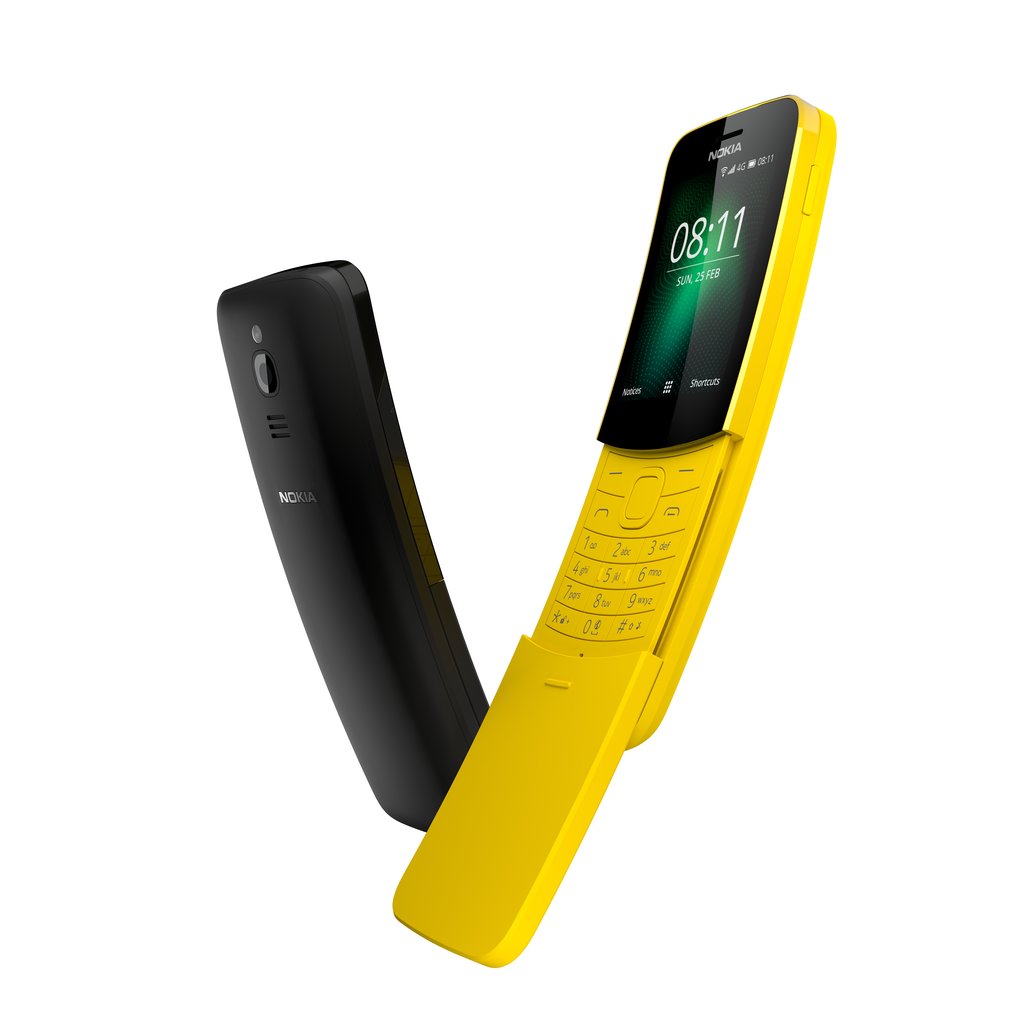
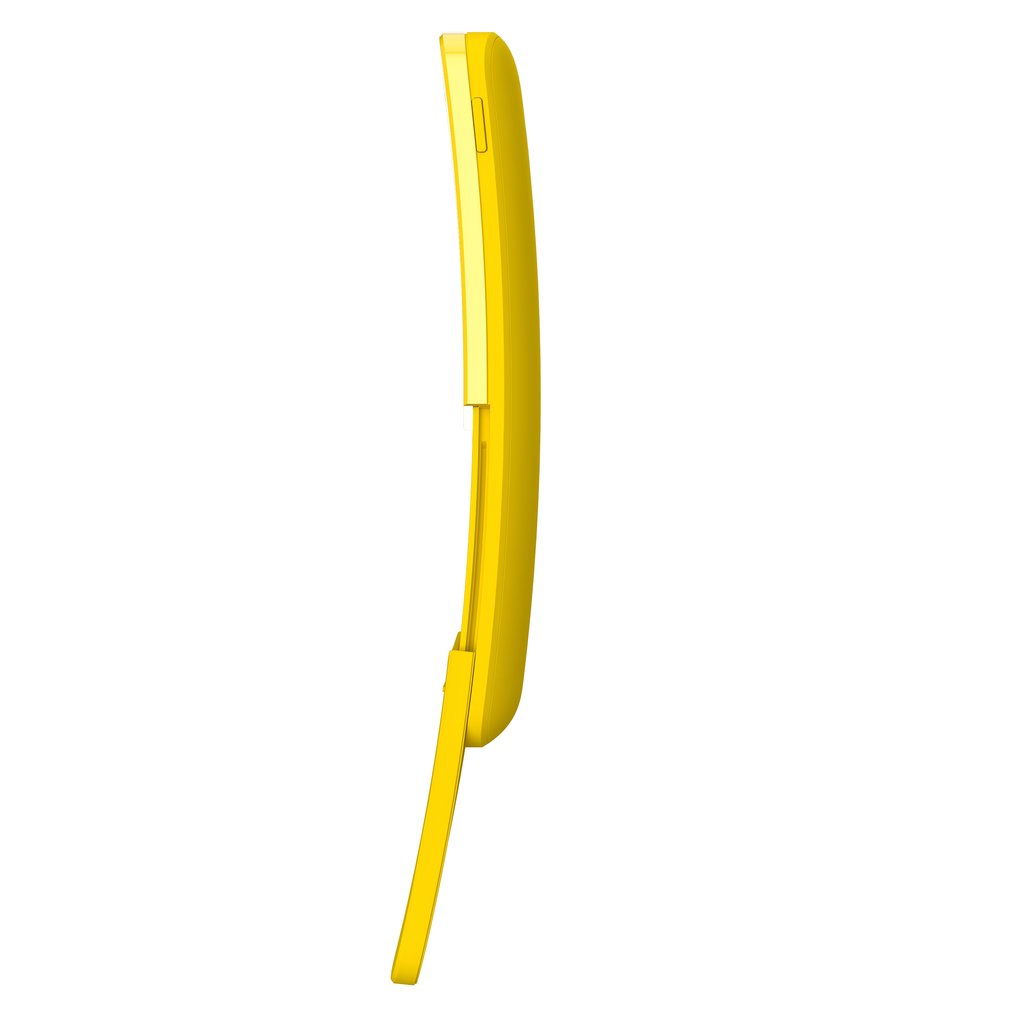
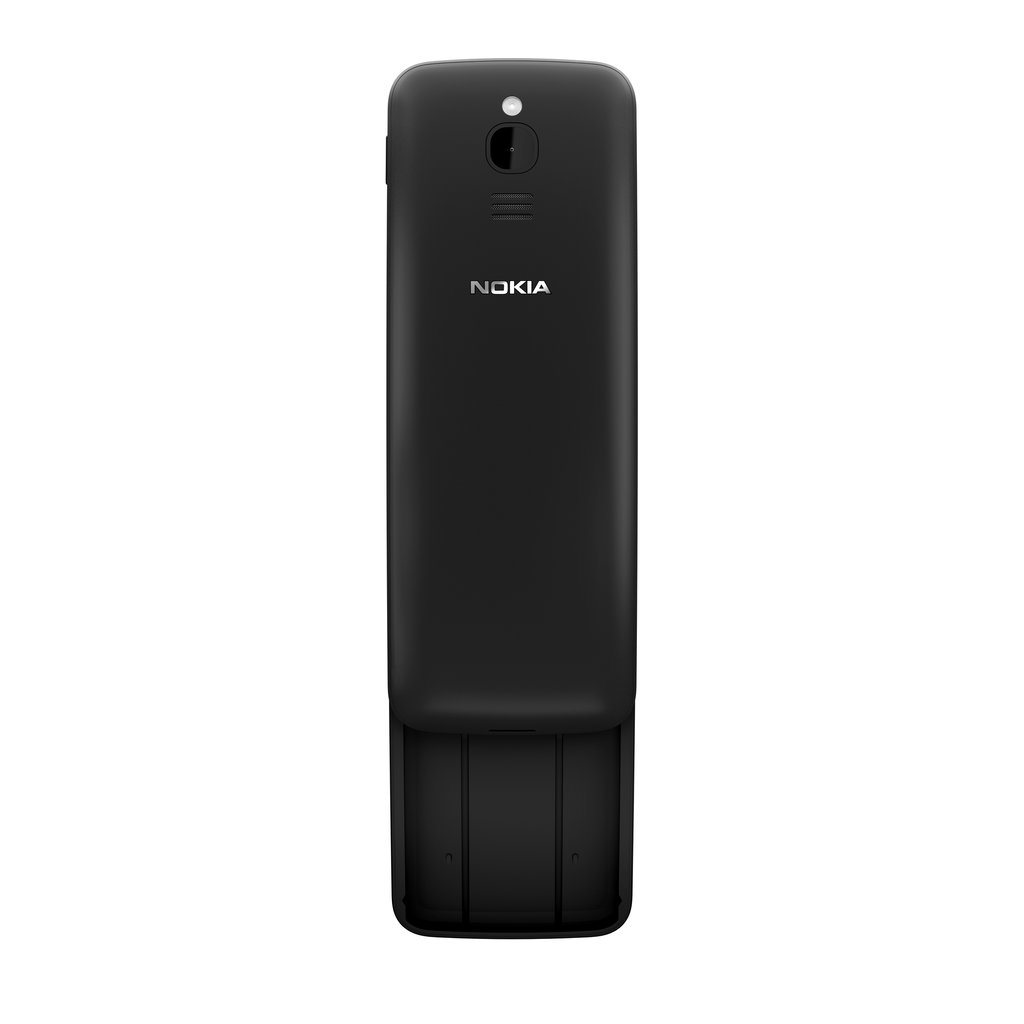
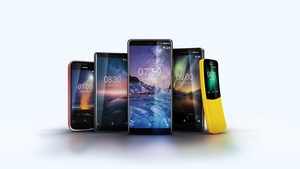 Nokia has been back with a vengeance for the past year or two releasing Android phones for many different price points. They even brought back a classic from year 2000, the 3110, in last year's Mobile World Congress.
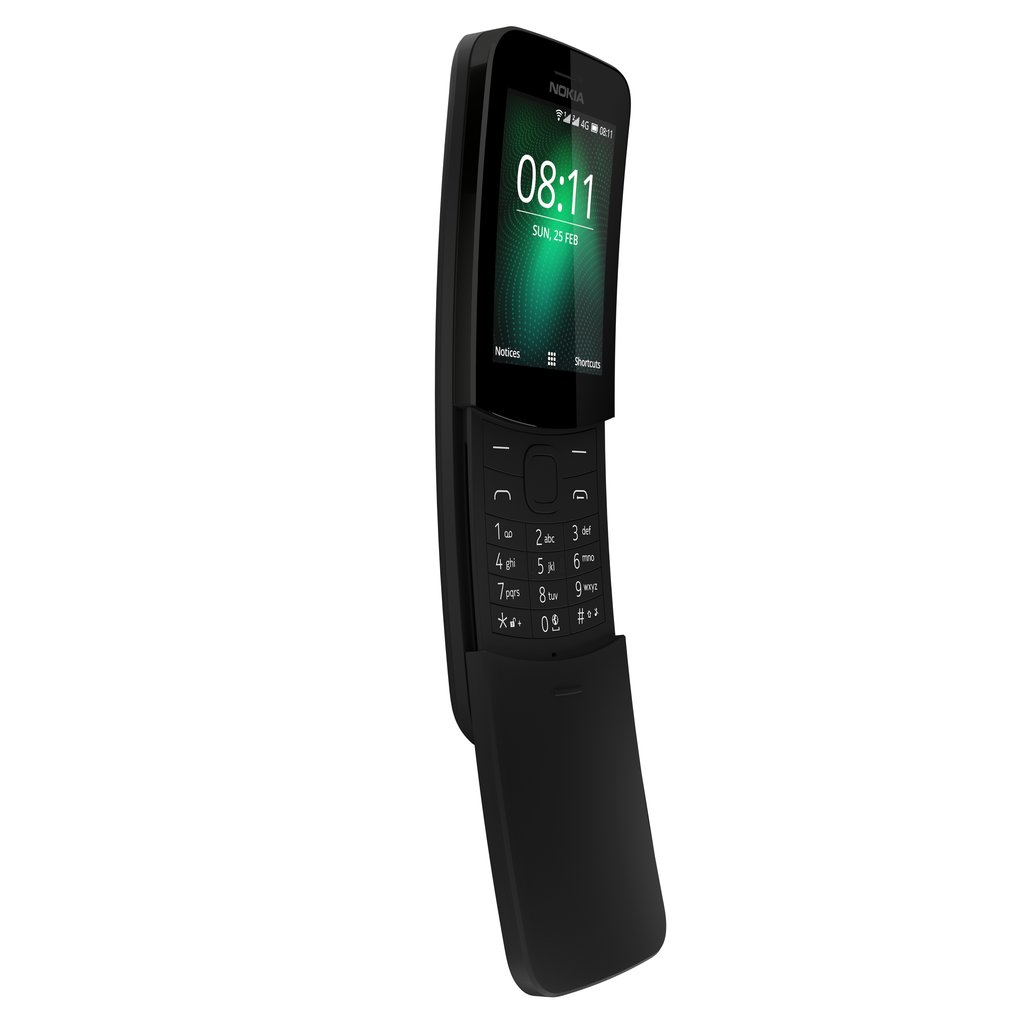
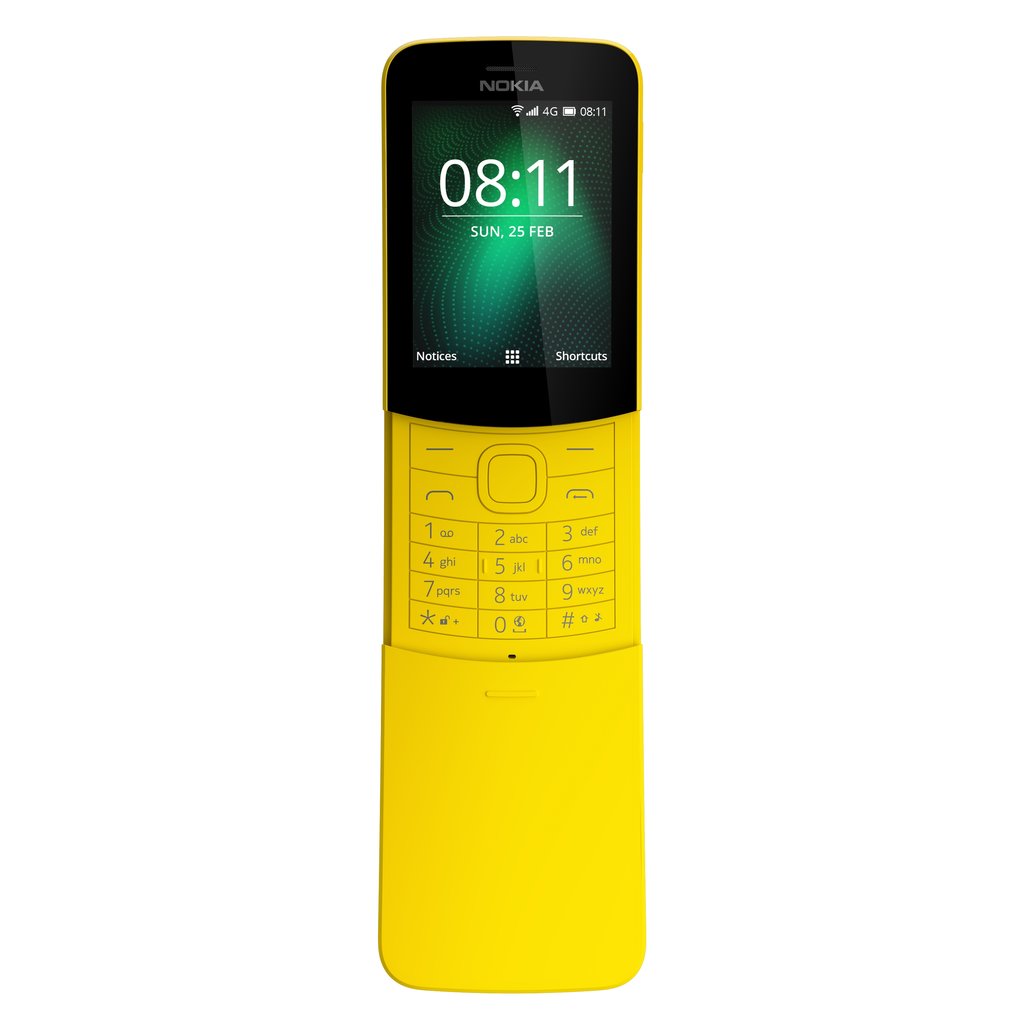
 Microsoft made it fairly clear last summer that it's not really interested in Windows phones any more by
 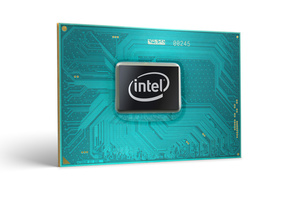 If you are a proper PC gamer then you consider Intel a CPU manufacturer and only a CPU manufacturer. However, obviously the company does a lot more and it includes GPUs.
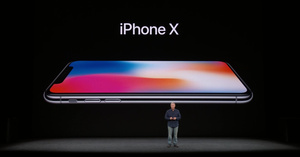 Every year Apple takes home nearly every penny of global smartphone profits. Thanks to huge margins no one has been able to replicate, it only leaves crumbles to Samsung and others. Obviously Samsung is competing in number of smartphones but most of them are way cheaper and barely make them any money.
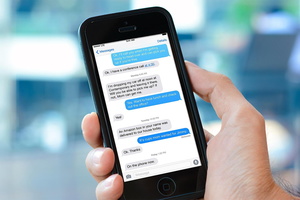 A few days ago a new, and fairly severe, iOS bug was revealed. The problem occurs system wide but especially plagues the messaging and email apps, and crashes either the app itself or the entire operating system.
 Apple's latest iteration of iPhone, or the greatest one should say since iPhone X and iPhone 8 were released simultaneously, utilizes a new type of camera setup. However, it's not the back camera, mostly used for photographs that was significantly improved.
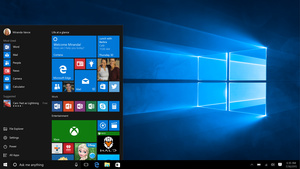 Microsoft has posted another update on its official Windows blog about future Windows 10 builds. The post reveals new emojis but also touches on what is a new power scheme for workstations.
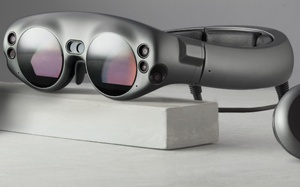 Last year a new virtual reality, or more aptly Augmented Reality, startup was introduced. The company calls itself Magic Leap and has been developing an AR headset that is poised to revolutionize mixed reality content.
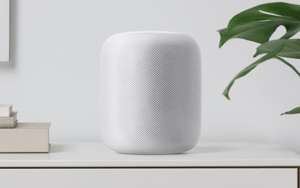 Apple finally managed to release their smart speaker to the public last week. First shown to the public last summer, Apple HomePod, was supposed to be launched by Holiday season where it would wreck havoc, or that's what Apple hoped for at least.
 VLC, or as some may know it VideoLAN Client, has updated their app universally. The new versio of the popular media player has finally reached v3.0, and it brings some new and highly anticipated features.
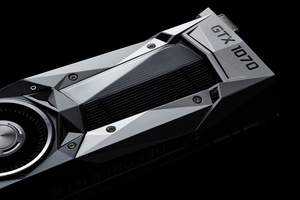 A few days earlier Nvidia released their quarterly reports which happened to be a fairly nice read to those who've invested in the company. Revenue was up to a new record, $2.91 billion, and everything seems rosy.
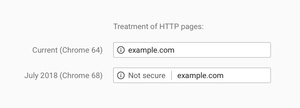 Google's crusade for a safer, more secure web has been taking place for years. Especially after the Snowden leaks everyone has been more interested of encrypted messaging and secure web traffic.
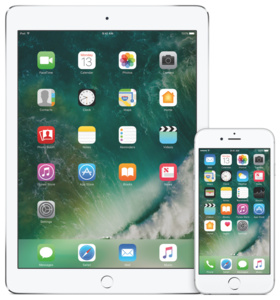 Even though Google's mobile operating system, Android, is arguably not as open source as the company wants you to think, many of the building blocks of it, thanks to AOPS or Android Open Source Project, are everybody's game. This is not the case in Apple's world as most of iOS is completely closed off from anyone outside Apple.
 The world's largest consumer electronic show, aptly name CES or Consumer Electronics Show, just ended few weeks ago and we're already approaching the largest mobile trade show, Mobile World Congress.
 Ever since the mid-December peak of nearly $20 000 Bitcoin has been in somewhat disorderly decline. It has dropped under $10 000 a few times this year already but it took the lowest dip today since mid-November.
 Last fall Google released their new data-saving YouTube Go app. If you are fortunate enough to have an unlimited data plan on your smartphone then this probably isn't the app for you – although one could argue there's still use for it – but many do not have such privilege and that's where YouTube Go might save you a small hunk of money.
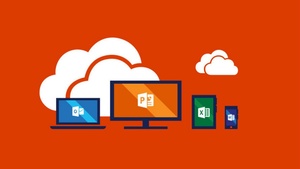 Microsoft revealed last fall that it will soon introduce a new version of its super popular office suite. The selection of office programs is called Office 2019 and includes new versions of its iconic software, including Word, Excel, PowerPoint, Outlook, SharePoint, Exchange, as well as Skype for Business.
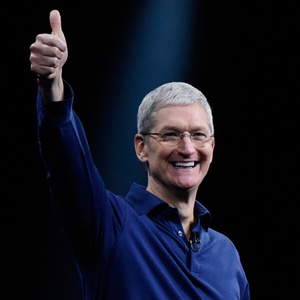 Apple has today released the latest quarterly results ending in December. The first quarter results for fiscal year 2018 have smashed both revenue and profit records of years past.